Follow the lot
Read the handovers between vessel, processor, wholesaler and counter.
Explore the catch trailThe seafood field notebook · Independent by design
What is it? Where did it come from? Which record connects this fish to that answer? Start with questions a real counter can answer, not promises a label cannot prove.
Follow the catch trail01 / A different starting point
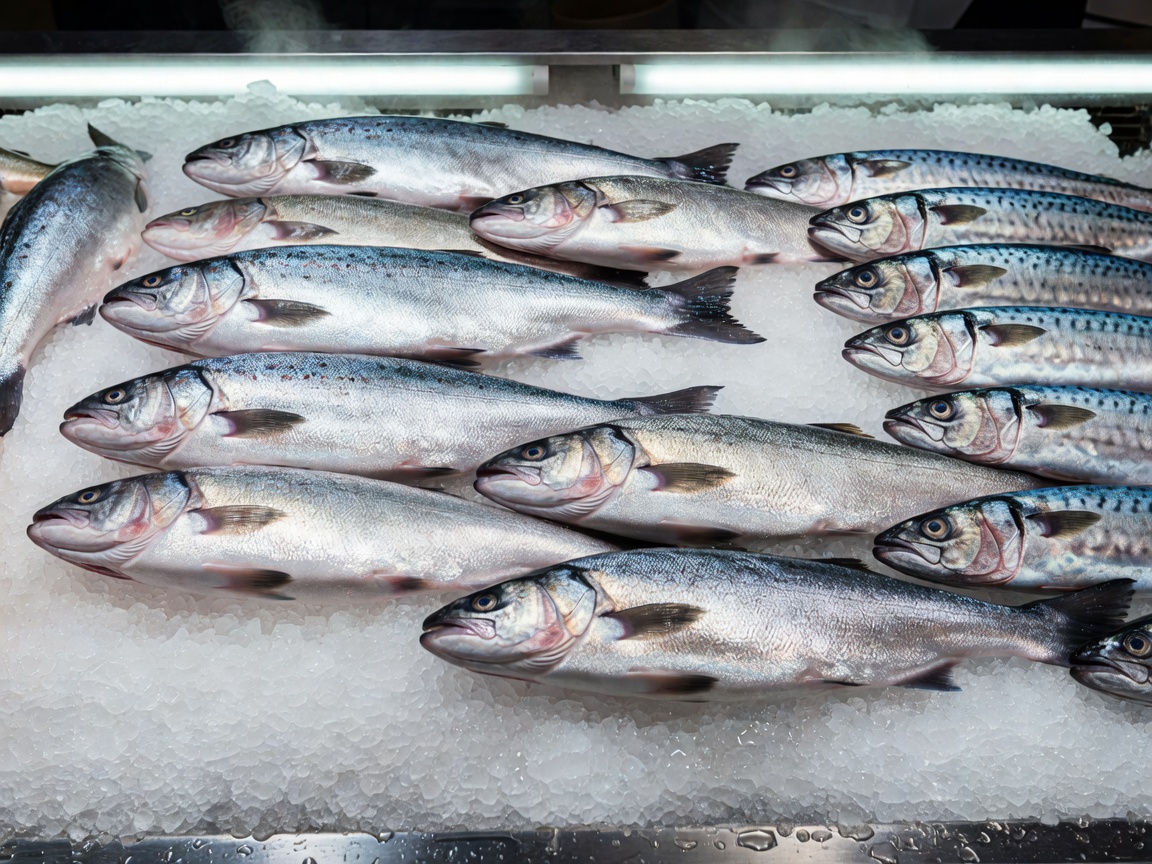
A gleaming display tells you how seafood is presented. It does not, by itself, tell you how a stock is managed, what a vessel caught alongside it, or whether a delivery can be traced back through the supply chain.
Wondergadgetjolt is an independent information website, not a seafood retailer, certification authority or purchasing service. We help curious shoppers and small food businesses separate three things that often get bundled together: identity, evidence and environmental performance.
You do not need a technical interrogation at every purchase. One useful question, answered with a specific record rather than a reassuring adjective, is a good beginning.
02 / Follow a specific batch
A lot identifier connects a delivery to earlier records. The details differ between fisheries and jurisdictions, but a useful trail preserves identity as fish moves, splits and changes form.
Annotated record / fields to ask about, not a real delivery
A label is the visible summary. The supporting documents should explain how that summary follows the seafood.
03 / Choose a route
Read the handovers between vessel, processor, wholesaler and counter.
Explore the catch trailUnderstand certification scope, chain of custody and the gaps a logo cannot close.
Check the evidenceLook at fish boxes, refill formats and displays through an operational lens.
Inspect the counterKeep sourcing information useful when seafood becomes a portion or a menu item.
Open the kitchen notebook04 / Better questions
Ask whether the claim refers to the landing port, the farm, the vessel or the seller. These can be different places.
Ask for the scheme, the relevant product and the certificate scope. A shop stocking some certified seafood does not mean everything on its counter is certified.
A QR code is useful only if its destination gives information relevant to this product. A generic brand story is not a batch record.
Starting points: the Marine Stewardship Council chain-of-custody standard and the Global Dialogue on Seafood Traceability. Standards support questions; they do not replace product-specific checks.
05 / Beyond the display
A useful sourcing story survives filleting, freezing, portioning and substitutions. Retailers need records that staff can find. Kitchens need those same records to remain connected to what they serve.
Good handling protects food safety and quality. It does not prove responsible harvesting; responsible harvesting does not excuse poor handling.
Connect the counter to the kitchen06 / Take one question with you
No. Outcomes depend on the species, stock, gear, location and management of a fishery, or the production system and impacts of a farm. Start with those details.
No. Traceability links a product to information. Environmental assessment asks what that information says about impacts and management.
Our reference shelf includes the FAO Fisheries and Aquaculture division, ICES and the Marine Conservation Society Good Fish Guide. Check the date, species and region of any advice before applying it.